
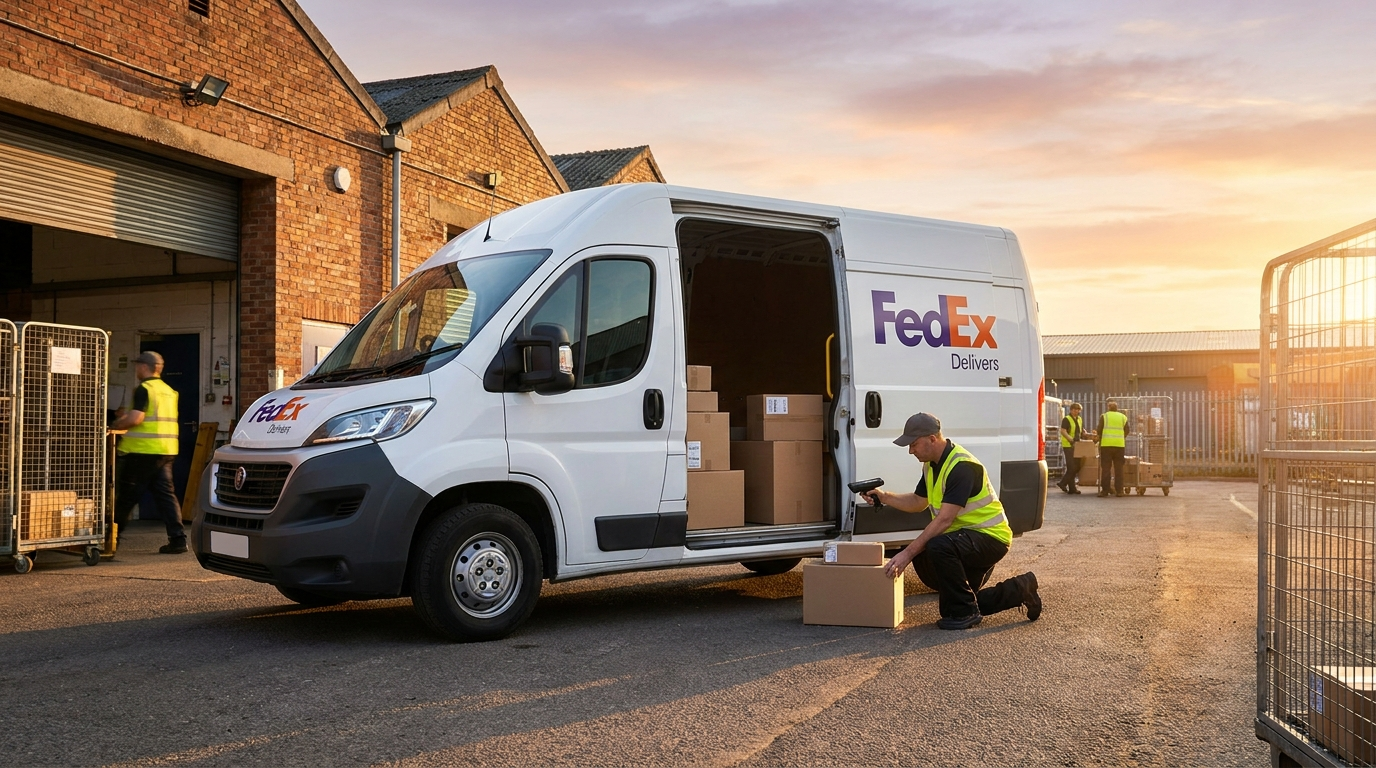
Every January, the same story: another general rate increase — 5.9% on paper in 2026, often 8–12% in practice once surcharges are factored in. If UPS and FedEx are your only carriers, you absorb that hike with no leverage. But there’s a growing group of shippers quietly paying 10–35% less per parcel: those using regional carriers.
Regional parcel carriers — OnTrac, GLS, Spee-Dee, LSO and others — cover specific geographic zones instead of the whole country. Within those zones, they’re frequently cheaper and faster than the national giants. In 2026, with the OnTrac network now stretching coast to coast, the regional option has never been more viable.
Here’s how regional carriers work, what they really save, and how to decide whether they belong in your shipping mix.
What Is a Regional Carrier?
A regional carrier operates a dense delivery network in a limited footprint — a state, a coast, or a cluster of metro areas. Because their linehaul distances are shorter and their networks purpose-built for parcels, their cost structure is leaner than a national hub-and-spoke system. That translates into lower base rates, lighter surcharges, and often faster transit within their zones.
The big names in 2026:
- OnTrac — after merging with LaserShip, it became the first coast-to-coast regional network, covering roughly 35 states and about 70% of the US population. Strong in the West (next-day across CA, AZ, NV, OR, WA, UT, CO) and the East Coast corridor from Boston to Atlanta.
- GLS US — West Coast focus with competitive ground and freight options.
- Spee-Dee Delivery — Midwest specialist (MN, WI, IA, ND, SD and surrounding states).
- LSO (Lone Star Overnight) — Texas and the Southwest.
The Savings: What the Numbers Show
Industry benchmarks in 2026 consistently put regional carrier savings at 10–35% versus UPS and FedEx list-based pricing on comparable lanes. The gap comes from three places:
- Lower base rates on short-zone shipments, where regionals are built to win;
- Fewer and smaller surcharges — residential fees, delivery area surcharges and fuel percentages are typically less aggressive;
- Smaller annual increases — regionals have historically kept rate hikes at or near the national carriers’ levels while starting from a lower base.
Speed is the quiet bonus: within its coverage zones, OnTrac has averaged delivery 1.9 days faster than national carriers at ground prices, and offers 7-day and weekend delivery options many majors don’t match. Faster ground delivery means you can downgrade from expensive expedited services without hurting the customer experience.
As always, exact pricing depends on your volume, zones and negotiated agreement — treat published figures as indicative.
The Trade-Offs to Understand
Regional carriers aren’t a wholesale replacement for national networks. Know the limits before you commit:
- Coverage gaps: ship outside the regional’s footprint and you still need UPS, FedEx or USPS. Regionals complement, not replace.
- Volume minimums: most regionals target businesses with steady daily volume — often 50–100+ parcels per day concentrated in their zone — rather than occasional shippers.
- Integration work: you’ll want multi-carrier shipping software (or a shipping partner) that rate-shops each order automatically across carriers.
- Brand recognition: some customers don’t recognize the carrier name on tracking. A branded tracking page solves this.
How to Add a Regional Carrier in 4 Steps
1. Map your volume by ZIP
Pull 90 days of shipment data and cluster destinations by region. If 40%+ of your parcels land inside one regional’s footprint, you have a business case.
2. Request zone-level quotes
Ask the regional for rates on your actual lanes and profile (weights, dimensions, residential share). Compare against your fully loaded UPS/FedEx cost — including surcharges, not just base rates.
3. Pilot one lane
Route a single high-volume lane through the regional for 30 days. Track cost per package, on-time percentage and damage rate against your baseline.
4. Rate-shop every order
Once live, let software pick the cheapest qualified carrier per shipment. This is where the 10–35% materializes — and it also strengthens your position when renegotiating with the nationals, who price sharper when they know they’re being compared.
Who Benefits Most in 2026?
- Ecommerce brands with customer bases concentrated on a coast or in a metro cluster;
- High-volume shippers hit hardest by the 2026 GRI and surcharge inflation;
- Businesses near a regional’s injection points, who can pair regionals with zone-skipping strategies for even deeper cuts.
The Bottom Line
The 2026 rate environment punishes single-carrier loyalty. Regional carriers offer a proven path to 10–35% savings with faster delivery in-zone — if your volume matches their map. Start with the data, pilot one lane, and let the numbers decide.
Not sure whether a regional network fits your shipping profile? ShipPayLess compares rates across carriers so you pay the lowest price on every parcel. Get your free rate comparison at shippayless.com and stop overpaying on shipping.
 FR
FR  EN
EN