
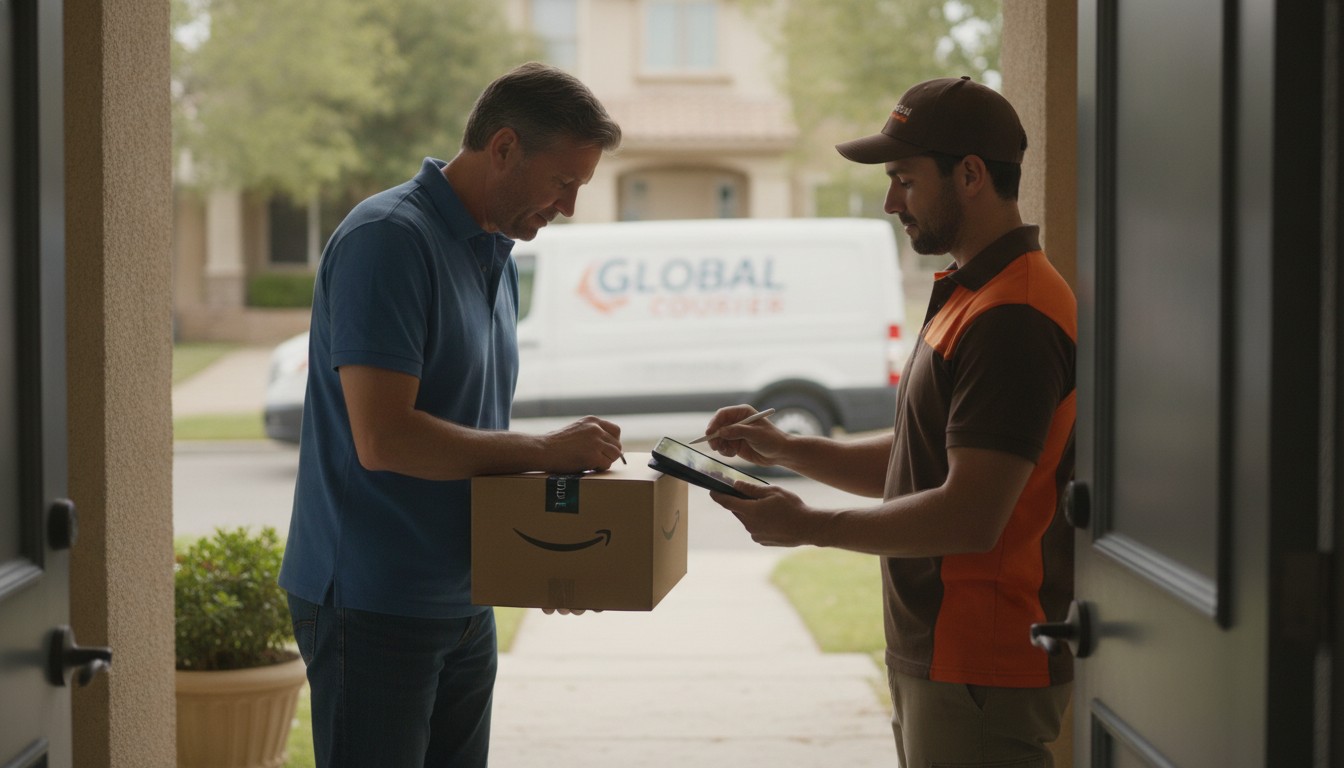
Requiring a signature upon delivery may seem like a minor extra—until you see it on the invoice. In 2026, signature-required fees range from $7.15 to $10.00 per package at UPS and FedEx. For a business shipping 500 signature-required parcels a month, that’s a monthly line item of $3,500 to $5,000 that many shippers never question.
The tricky part is that signature services are sometimes essential (high-value goods, regulated products, chargeback protection) and sometimes a complete waste (low-value items sent to secure addresses). This guide breaks down the cost of each option in 2026, explains when the fee pays for itself, and shows how frequent shippers can reduce their spending without sacrificing protection.
All figures below are list prices and are for illustrative purposes only—your actual cost depends on your carrier agreement, service level, and applicable surcharges.
What UPS and FedEx Charge for Signatures in 2026
Both carriers raised signature fees again as part of this year’s general rate increase. Here are the current list rates:
| Optional signature | UPS | FedEx |
|---|---|---|
| Indirect signature (anyone at the address, or a neighbor) | Not offered as a paid tier on most services | $7.15 |
| Direct / standard signature (someone at the delivery address) | $7.70 | $7.15 |
| Adult signature (21+, government ID verified) | $9.35 | $10.00 |
FedEx’s adult signature fee jumped by about 15.6% in 2026, from $8.65 to $10.00 — one of the steepest single-fee increases in this year’s GRI. UPS raised the Adult Signature Required fee to $9.35. USPS remains the budget option: Signature Confirmation ranges from around $3.90 to $4.15, and many shippers route signature-required lightweight parcels through USPS for exactly that reason.
When It's Worth Paying the Signature Fee
Signature services aren't just about handing off a package at the doorstep. They are important in three situations:
- High-value shipments. For declared values above roughly $500, carriers may require a signature regardless, and proof of delivery with a name significantly strengthens your position in the event of a loss claim.
- Chargeback defense. For merchants processing card-not-present transactions, a signed delivery record is one of the few pieces of evidence that banks consistently accept in «item not received» disputes. On a $300 order, a $7.70 fee is a small price to pay for insurance.
- Regulated products. Alcohol, tobacco, certain pharmaceuticals, and other age-restricted goods are legally required to be delivered with an adult signature. This fee is a cost of doing business—fact it into your pricing.
When It's Money Down the Drain
Spending a lot on signature-based security offers no real protection:
- Low-value orders. Paying $7.70 to insure a $25 item doesn't make sense; a photo of the delivery and a reshipment policy are cheaper than blanket signatures.
- Commercial destinations. Deliveries to businesses with receiving desks are already signed for as standard practice on many services—a paid signature adds little.
- Failed first attempts. Every missed signature attempt delays delivery, leads to «where is my order» inquiries, and increases the risk of the package being returned to the sender—which costs you return shipping plus the original shipping label.
6 Ways to Cut Signature Costs in 2026
- Make it rule-based, not blanket. Trigger the signature service only when a value threshold is exceeded (for example, $200+) or for orders flagged as fraudulent. Most platforms and multi-carrier software support conditional shipping rules.
- Use indirect methods instead of direct ones when the risk is moderate. At FedEx, both are listed at $7.15, but indirect signatures reduce the number of failed attempts because a neighbor can sign.
- Transfer eligible packages to USPS. At roughly $4, USPS Signature Confirmation is about 45 to 60% cheaper than UPS and FedEx for lightweight, lower-priority shipments.
- Negotiate the incidental charges. Signature fees are negotiable line items in carrier agreements, just like residential surcharges and DAS. High-volume shippers routinely secure a 25 to 50% discount on accessorials—just ask.
- Directions to pickup locations. A package picked up at a staffed pickup location or locker is automatically verified by signature upon handoff on many networks, and often avoids residential surcharges as well.
- Review your invoices. Signature fees are a common type of billing error: charges applied when no signature service was requested, or when no signature was actually captured. Recovering those errors is free money.
The bottom line
Signature-required fees are now determined on a $7-to-$10 basis for every package, and they add up quickly as volume increases. Treat them like any other ancillary charge: track how often you use them, link them to order value and risk, factor them into your carrier negotiations, and audit what you’re actually billed.
At ShipPayLess, we help businesses that ship daily reduce exactly these costs—from signature fees to surcharges and base rates. Compare your rates today and stop overpaying for delivery confirmation.
 EN
EN  FR
FR