
You quoted your customer a fair shipping price, the package weighed exactly what you expected, and the invoice still came back higher than planned. If that sounds familiar, there is a good chance the delivery area surcharge (DAS) is the culprit. It is one of the least understood fees in parcel shipping, and in 2026 it is hitting more addresses than ever.
Unlike fuel surcharges or residential fees, the delivery area surcharge depends entirely on where your package is going. Two boxes with identical weight and dimensions can differ by $5 to $17 simply because one ZIP code is on a carrier’s surcharge list and the other is not. And here is the part most shippers miss: those lists were just updated again, with FedEx revising its ZIP code list in June and UPS following with its own mid-year adjustment.
In this guide, we break down how UPS and FedEx apply delivery area surcharges in 2026, what they cost, and seven practical ways to stop paying them on every order.
What Is a Delivery Area Surcharge?
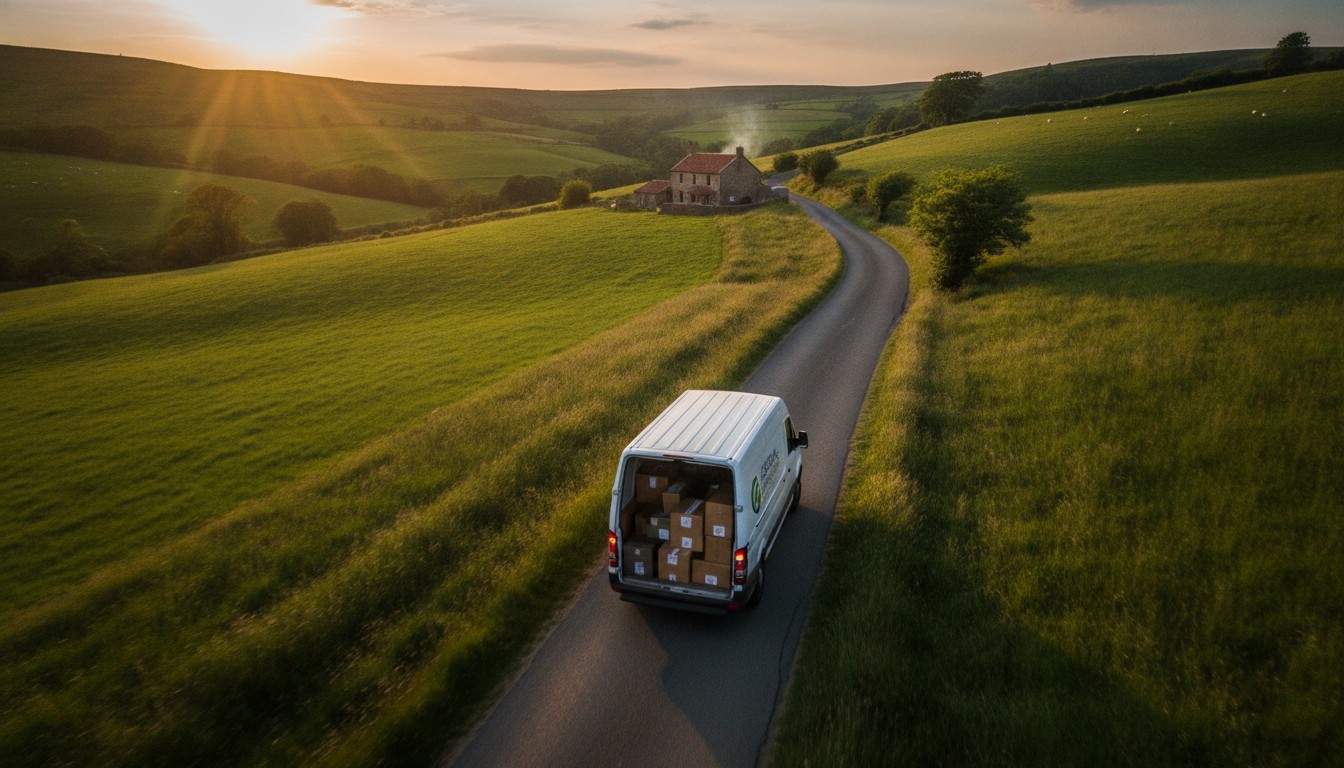
A delivery area surcharge is a per-package fee that UPS and FedEx add when a shipment is delivered to (or picked up from) a ZIP code they classify as harder or more expensive to serve. These are typically rural areas, small towns far from a hub, and sparsely populated regions where a driver covers more miles per stop.
Carriers maintain three escalating tiers:
- Delivery Area Surcharge (DAS): standard tier for less accessible ZIP codes.
- Extended Delivery Area Surcharge: a higher fee for ZIP codes even farther from carrier infrastructure.
- Remote Area Surcharge: the steepest tier, covering the most isolated addresses — think mountain communities, islands, and parts of Alaska.
The fee stacks on top of everything else. A package going to a rural home address can carry the base rate, a fuel surcharge, a residential surcharge, and a delivery area surcharge — all on one label.
What DAS Costs in 2026
Delivery area surcharge tiers rose roughly 6–8% in the 2026 general rate increases. Indicative per-package amounts look like this (actual figures vary by service, agreement, and effective date):
| Surcharge tier | FedEx (Ground / Express) | UPS |
|---|---|---|
| Delivery Area Surcharge | ≈ $4.80 / $5.30 | ≈ $5 per package |
| Extended Delivery Area | ≈ $6.50 / $7.00 | ≈ $7 per package |
| Remote Area | ≈ $15–$17 | ≈ $15–$17 |
Residential delivery adds another layer: FedEx Home Delivery charges about $6.45 per residential package in 2026 and UPS about $6.50. A rural residential order can therefore carry $11 to $24 in location-based fees before the base rate is even counted.
Note: all dollar amounts in this article are indicative list rates. Your actual charges depend on your carrier agreement, service level, and the surcharge schedule in effect on the ship date.
Why More of Your Packages Are Suddenly Affected
The surcharge amount is only half the story. The other half is the ZIP code list — and it keeps growing.
UPS expanded its DAS ZIP code list effective December 22, 2025, pulling addresses into surcharge territory that were fee-free in 2025. FedEx updated its own delivery area ZIP code list in June 2026, and UPS is making a matching mid-year adjustment. In practice, these lists now change at least quarterly, which means a destination that shipped clean in March can quietly trigger a $5+ fee in June without anything changing on your side.
For e-commerce sellers, the exposure is significant: by most industry estimates, a quarter or more of U.S. ZIP codes carry some form of delivery area surcharge, and rural customers are exactly the ones with fewer local retail options — so they order online more.
7 Ways to Cut Delivery Area Surcharges
1. Audit your invoices to measure the damage
Start with data. Pull 90 days of carrier invoices and total what you paid in DAS, extended, and remote fees. Many shippers discover these line items quietly add 3–6% to their total parcel spend. You cannot negotiate or route around a fee you have not measured.
2. Rate-shop against USPS for rural addresses
The Postal Service delivers to every American address every day and charges no delivery area surcharge and no residential surcharge. For lightweight rural shipments, USPS Ground Advantage frequently beats UPS and FedEx once surcharges are counted — even when the base rate looks higher at first glance.
3. Check ZIP codes before you buy the label
Both carriers publish their DAS ZIP code lists. Integrate a surcharge check into your rating logic so the fee is visible at label purchase, not as a surprise on the invoice three weeks later.
4. Negotiate DAS caps or waivers
Delivery area surcharges are negotiable, especially if a meaningful share of your volume goes to rural destinations. Volume shippers regularly obtain percentage discounts or tier caps on location-based fees. If your carrier rep says no, that is useful information for your next rate shop.
5. Reroute to commercial addresses where possible
Offering pickup-point or access-point delivery (carrier stores, lockers, partner retail locations) converts a residential rural delivery into a commercial one — often eliminating both the residential fee and softening the DAS tier. Customers in remote areas frequently accept this trade for a lower shipping price.
6. Consolidate rural orders
Since DAS is charged per package, two boxes to the same remote farmhouse means paying the fee twice. Cartonization rules that combine multi-item orders into a single shipment cut the surcharge bill in direct proportion.
7. Use a multi-carrier strategy by destination profile
No single carrier wins everywhere. A practical 2026 playbook: USPS for lightweight and rural residential, UPS or FedEx ground for heavier urban and suburban commercial deliveries, and regional carriers where they have density. Routing by destination profile is the single most reliable way to neutralize location-based fees.
The Bottom Line
The delivery area surcharge is a fee you can manage — but only if you see it coming. With surcharge tiers up 6–8% in 2026 and ZIP code lists expanding every quarter, shippers who treat DAS as a fixed cost of doing business are leaving real margin on the table. Measure it, route around it, and negotiate it.
Tired of watching surcharges eat your shipping budget? ShipPayLess helps everyday shippers compare carriers and ship for less on every package — including the ones headed off the beaten path. Get your discounted rate today.
 FR
FR  EN
EN