
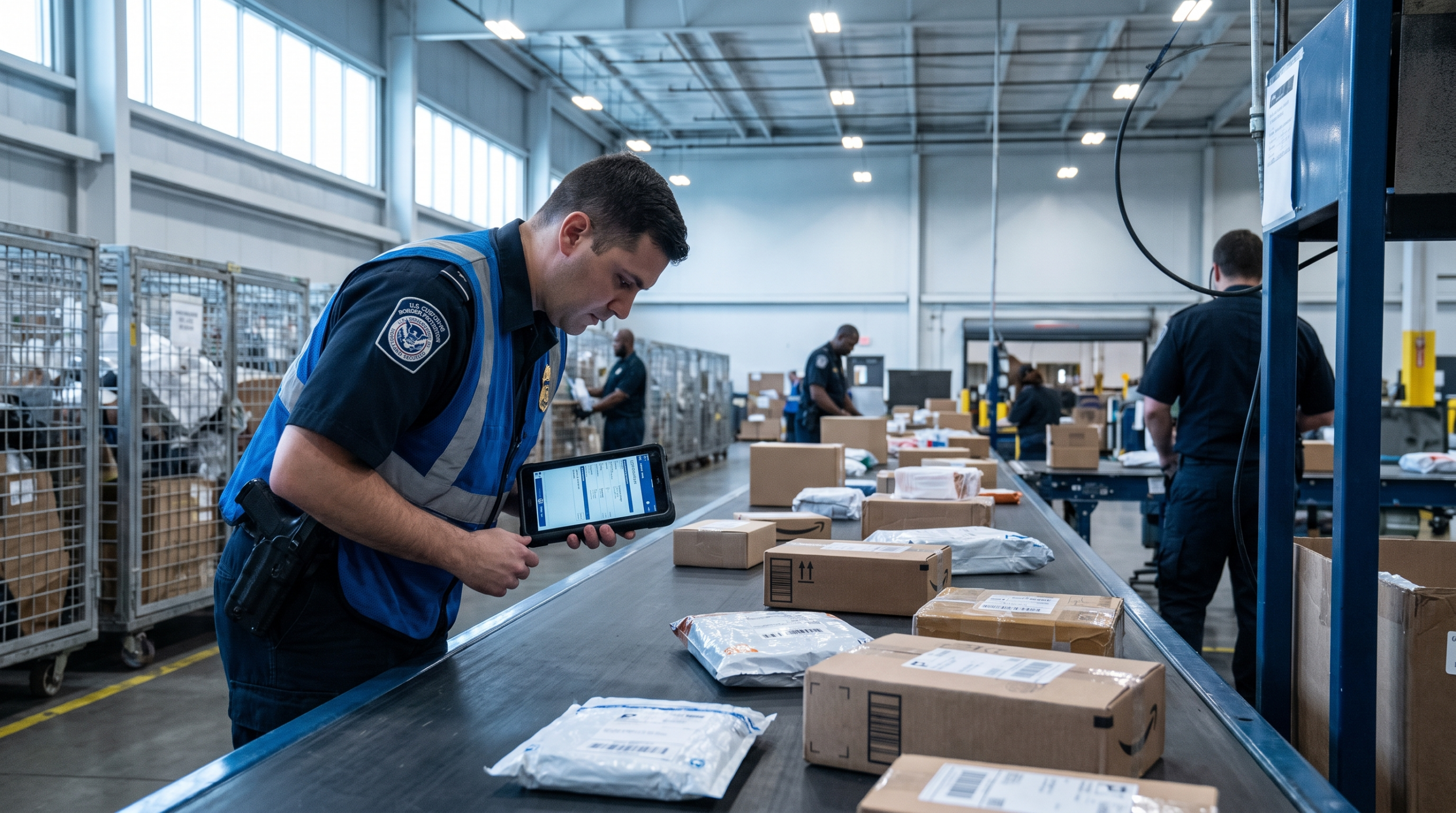
For almost a decade, the cheapest way to import into the United States was to keep the shipment under $800. That single number — the de minimis threshold — let hundreds of millions of parcels a year clear customs with no duty, no formal entry and almost no paperwork.
That window is closed. The de minimis suspension ended duty-free treatment for China and Hong Kong on May 2, 2025, and for every other country of origin on August 29, 2025. In June 2026 the suspension for all non-postal modes was made indefinite, and separate legislation makes the repeal permanent from July 1, 2027.
If you still price your landed cost as though a $60 parcel arrives free, you are underquoting every order. Here is what those shipments actually cost in 2026, and where the savings still live.
What actually changed
Before the suspension, a shipment valued at $800 or less entered under an informal, duty-free release. Today, every shipment — regardless of value or origin — must be filed as a customs entry and is assessed duty, federal excise tax, and any applicable state or local sales and use tax.
In practice that means three new cost layers on parcels that used to have none:
- Duty at the normal tariff rate for the HTS classification, plus any Section 301 or reciprocal tariff that applies to the country of origin.
- An entry filing — a qualified party must file in ACE, typically Entry Type 11 (informal) under $2,500, or Entry Type 01 (formal) above it.
- Brokerage and disbursement fees charged by the carrier or broker for doing that filing, plus a fee for advancing the duty.
A fourth change landed on July 24, 2026: a new informal entry process for international mail shipments, which closed the postal workaround that some shippers had been using while the non-postal suspension took effect.
The real cost of a low-value import in 2026
The table below models a $120 consumer-goods parcel arriving by express courier. Figures are indicative — your duty rate depends on classification and origin, and brokerage varies by carrier agreement.
| Line item | Before suspension | 2026 | Notes |
|---|---|---|---|
| Declared value | $120.00 | $120.00 | Unchanged |
| Customs duty | $0.00 | $3.60 – $12.00 | Roughly 3%–10% depending on HTS code |
| Additional tariffs | $0.00 | $0.00 – $36.00 | Origin-dependent; can dominate the bill |
| Merchandise processing fee | $0.00 | $2.62 – $34.75 | Informal flat fee or formal ad valorem minimum |
| Brokerage / entry prep | $0.00 | $8.00 – $25.00 | Carrier clearance fee on informal entries |
| Duty advancement fee | $0.00 | $0 or ~2.5% of duty, $12 min | Charged when the carrier fronts the duty |
| Landed add-on | $0.00 | $14 – $95+ | 12%–79% on top of goods value |
The spread is the point. Two parcels of identical value can differ by $80 in fees purely because of origin, classification and who files the entry.
Where shippers are quietly losing money
Per-parcel brokerage on high-frequency lanes. If you ship 200 low-value parcels a month and pay $15 in clearance fees on each, that is $3,000 a month in charges that did not exist two years ago — and most of it is avoidable through consolidation.
Wrong HTS classification. Under de minimis, nobody checked. Now a vague classification means a broker defaults to a safe, higher-duty code. A correct six-digit classification on a textile item can be the difference between 0% and 32%.
Undeclared country of origin. Origin drives the tariff stack, not the shipping country. Goods manufactured in one country and warehoused in another are still assessed at the manufacturing origin.
Duty advancement on tiny duty amounts. A $12 minimum fee to advance $4 of duty is a 300% surcharge. Paying duty directly from your own account eliminates it.
Seven ways to pay less after the de minimis suspension
- Consolidate into a single entry. One Type 11 entry covering 50 parcels costs a fraction of 50 separate clearances. Section 321 is gone, but consolidated formal entries are not.
- Classify precisely and keep a classification library. Build a spreadsheet of your SKUs with HTS codes and origins, and give it to your broker once instead of guessing per shipment.
- Claim free trade agreements. USMCA-qualifying goods from Canada or Mexico still enter duty-free with a valid certification of origin — the suspension removed the value exemption, not the trade agreements.
- Use a bonded 3PL or foreign trade zone if you hold inventory. Duty is deferred until goods leave the zone, and never paid on units that are re-exported.
- Pay duty directly. Set up a duty-deferral or periodic monthly statement account so the carrier is not advancing money and billing you for the privilege.
- Negotiate clearance fees, not just freight. Brokerage is a published rate, which means it is a negotiable rate once your volume is visible.
- Reprice your product pages. Sellers still absorbing landed cost silently are the ones going backwards. Either build the duty into the price or quote DDP at checkout so the customer sees it.
What to fix this week
Pull your last 30 days of import invoices and separate transportation charges from clearance charges. Most shippers discover that 20%–40% of what they now spend per parcel has nothing to do with moving the box — it is entry fees, advancement fees and duty they could have reduced with a correct classification or a consolidated entry.
The de minimis suspension is not being reversed. The shippers who come out ahead are the ones treating customs as a line item to manage rather than a surprise on the invoice.
Ship for less, even under the new rules
At ShipPayLess, we compare carrier rates and clearance costs on every shipment so you see the full landed cost before you buy the label — not after the broker bills you. Get a rate comparison and find out what your low-value imports should actually be costing.
All figures are indicative and vary by carrier agreement, service level, HTS classification, country of origin and the tariff measures in force at the time of entry.


 FR
FR  EN
EN